Surgical dentistry
Wisdom tooth removal and advanced surgical procedures
Impacted wisdom teeth, bone grafting and sinus lifting are done under local anaesthetic, with sedation if preferred.
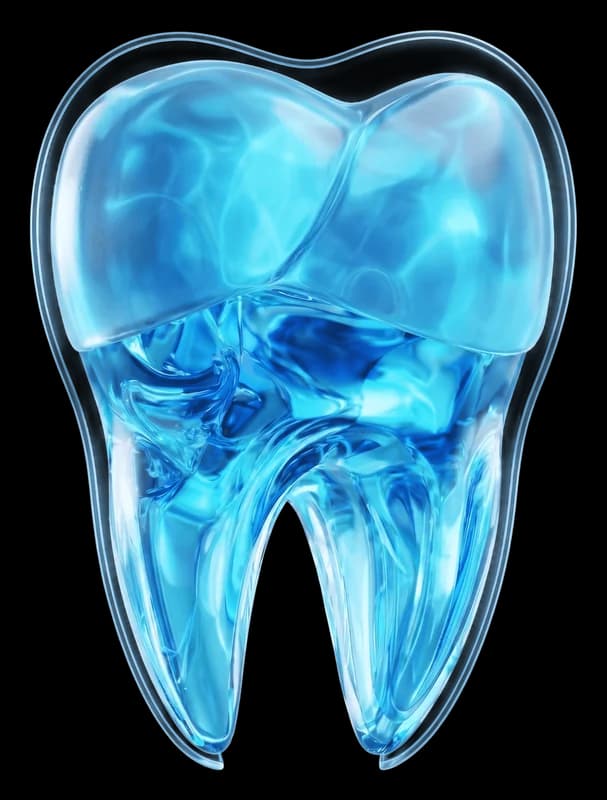
Surgical dentistry covers impacted wisdom teeth, difficult extractions, cysts and root-end procedures, and bone preparation before implants.
Every procedure is assessed with 3D imaging first, so the position of nerves and sinuses is known in advance. That shortens the procedure and makes healing more predictable.
Anxiety is one of the common reasons people postpone surgery. For anxious patients, sedation given with an anaesthetist present can be used alongside local anaesthetic where appropriate.
Who is it for?
- Impacted or painful wisdom teeth
- Teeth that cannot be removed by routine extraction
- Anyone needing bone prepared before an implant
How the treatment works
- 01
3D assessment
Nerve and sinus proximity is established before the procedure.
- 02
Anaesthetic plan
Local anaesthetic or sedation is chosen according to your anxiety level.
- 03
Procedure
The planned site is treated with minimal disturbance to surrounding tissue.
- 04
Follow-up
Healing is checked after about a week, and sutures are removed if needed.
After your treatment
On the first day avoid hot food, rinsing and smoking. Keeping the blood clot in place is the most important condition for healing.
Frequently asked questions
Do I need my wisdom teeth removed?
Not every wisdom tooth needs to go. Removal is advised when there is pain, recurring infection, pressure on the neighbouring tooth, or it cannot be cleaned.
How long is the recovery?
Swelling and discomfort usually ease within three days. Most people return to normal activity the next day, and any sutures come out after a week.
Is sedation safe?
Your medical history and current medication are reviewed beforehand, and vital signs are monitored throughout. For suitable patients, given with an anaesthetist present, it is a safe option.
Surgical dentistry
Book an Appointment